
Trailer Bearing Maintenance: How Often Should You Grease and Inspect Your Trailer?
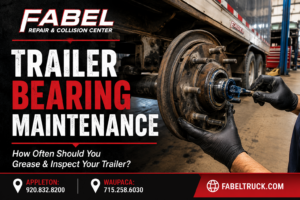
Whether you’re hauling equipment, transporting materials, or heading out for a weekend trip, your trailer’s wheel bearings play a critical role in keeping you safely on the road. Unfortunately, trailer bearings are often overlooked until a problem develops—and by then, the repair can be expensive and inconvenient.
So how often should you grease and inspect your trailer bearings?
The answer depends on how often the trailer is used, how much weight it carries, and the conditions it operates in. However, regular maintenance is one of the simplest ways to prevent roadside breakdowns and costly repairs.
Why Trailer Bearings Matter
Wheel bearings allow your trailer wheels to rotate smoothly while supporting the weight of the trailer and its cargo. They operate under significant stress and heat, especially during long trips, heavy hauling, and summer driving conditions.
Without proper lubrication, bearings can overheat, wear prematurely, or even fail completely. A failed bearing can damage hubs, spindles, brakes, and tires—and may leave your trailer stranded on the side of the road.
General Trailer Bearing Maintenance Guidelines
While manufacturer recommendations vary, a good rule of thumb is:
- Inspect bearings annually
- Repack grease every 12 months or 12,000 miles
- Inspect more frequently for heavily used trailers
- Service immediately if warning signs appear
Trailers used in construction, agriculture, landscaping, or commercial hauling often require more frequent inspections because of heavier loads and harsher operating conditions.
Boat trailers may also require more frequent maintenance due to exposure to water and moisture.
Warning Signs Your Trailer Bearings Need Attention
Many bearing problems provide warning signs before complete failure occurs.
Watch for:
Excessive Heat
After towing, carefully check the wheel hubs. If one hub feels significantly hotter than the others, it could indicate insufficient lubrication or bearing wear.
Unusual Noises
Grinding, humming, growling, or squealing sounds coming from the wheels should never be ignored.
Grease Leaks
Grease visible around the hub, wheel, or backing plate may indicate a failed seal that allows lubricant to escape.
Wheel Play
Excessive movement when the wheel is rocked by hand may indicate worn bearings or loose components.
Uneven Tire Wear
Bearing issues can sometimes contribute to abnormal tire wear patterns and alignment concerns.
Why Summer Is Hard on Trailer Bearings
Summer travel and hauling season can place additional stress on trailer components.
Higher temperatures increase operating heat, while long-distance towing and heavier seasonal use can accelerate wear. Combined with underinflated tires or overloaded trailers, bearings may experience significantly greater stress during the summer months.
That’s why many trailer owners choose to schedule inspections before peak hauling season begins.
What Happens During a Trailer Bearing Service?
A professional trailer bearing service typically includes:
- Hub removal
- Bearing inspection
- Cleaning old grease
- Repacking bearings with fresh lubricant
- Seal inspection and replacement if needed
- Hub reassembly
- Brake inspection
- Final operational check
This process helps identify worn components before they create larger problems.
Preventative Maintenance Saves Money
Replacing grease and inspecting bearings is significantly less expensive than repairing damage caused by a bearing failure.
A routine maintenance appointment can help prevent:
- Roadside breakdowns
- Hub damage
- Brake damage
- Tire damage
- Towing expenses
- Unexpected downtime
For commercial operators, preventative maintenance also helps reduce lost productivity and scheduling disruptions.
Schedule Your Trailer Inspection
If it’s been more than a year since your trailer bearings were serviced—or if you’re noticing signs of wear—now is a great time to schedule an inspection.
At Fabel Repair & Collision Center, our technicians inspect and service trailers to help keep customers safely on the road throughout the year.